The ideas here run from a few stems of greenery around a floating candle to a decorative birdcage, and the cost follows how much you buy versus how much you borrow or already own.
Your table count and your free hours decide which one fits: a long guest list favors simple, repeatable designs like jars on log slices or mason jars, while a short one can handle pricier pieces like a decorative birdcage.
1. Floating Candle Centerpiece
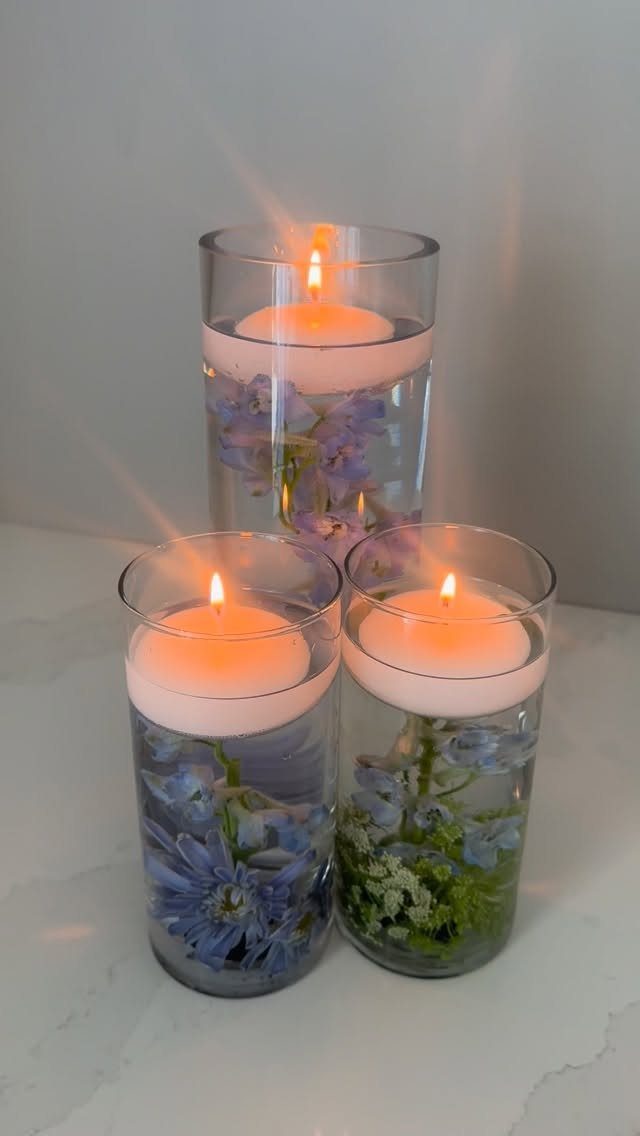
Water does most of the work here. Fill clear glass cylinders, drop in a few blue blooms, and set a white floating candle on top; the glass and the flame reflect each other as the room darkens.
Three cylinders in a row read as one centerpiece, and you can stagger the heights if you have a mix. Light the candles last, just before guests are seated, so the flames are fresh when they walk in.
2. Mismatched Glass Vases
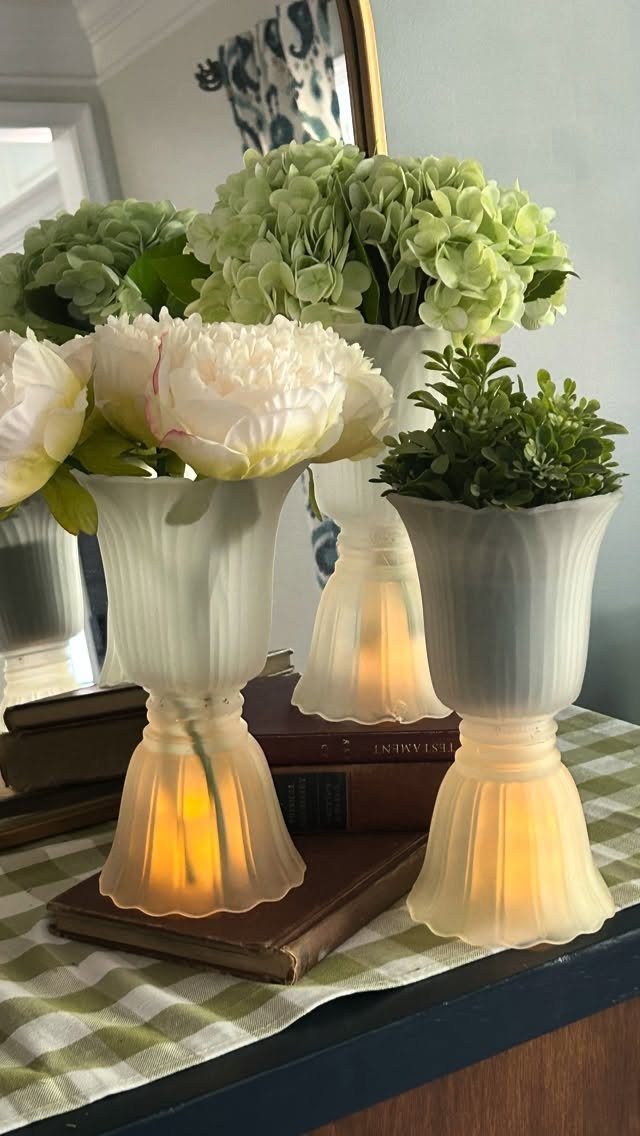
Frosted white glass hides stems, so the flowers and greenery do the talking while the vase stays soft.
A stack of old books under each one adds height without costing a cent more if you already own a few, and secondhand shops are the cheap source if you don’t.
I like varying the vase shapes but keeping them all the same finish. The frosting is what ties them together.
3. Mason Jar Centerpiece
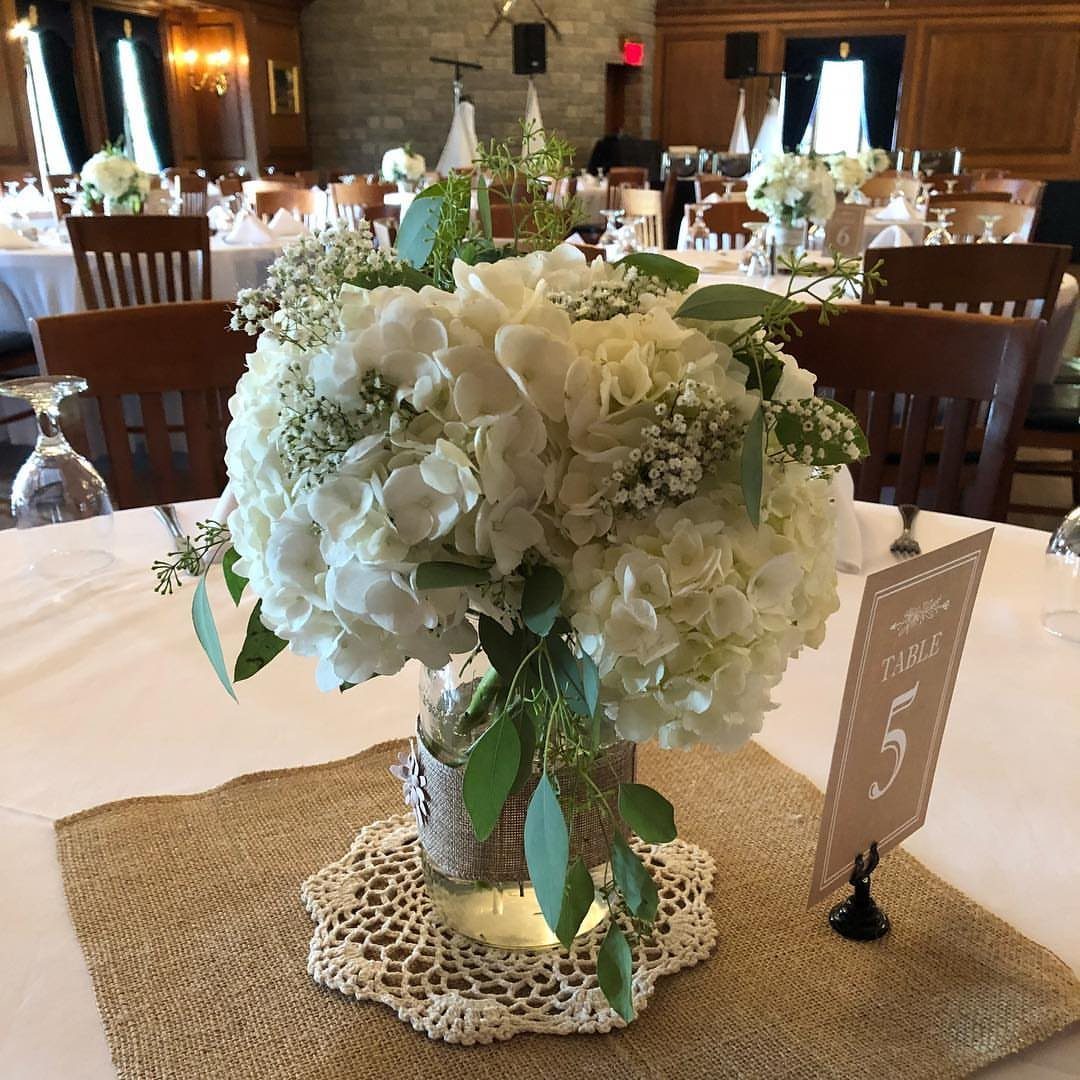
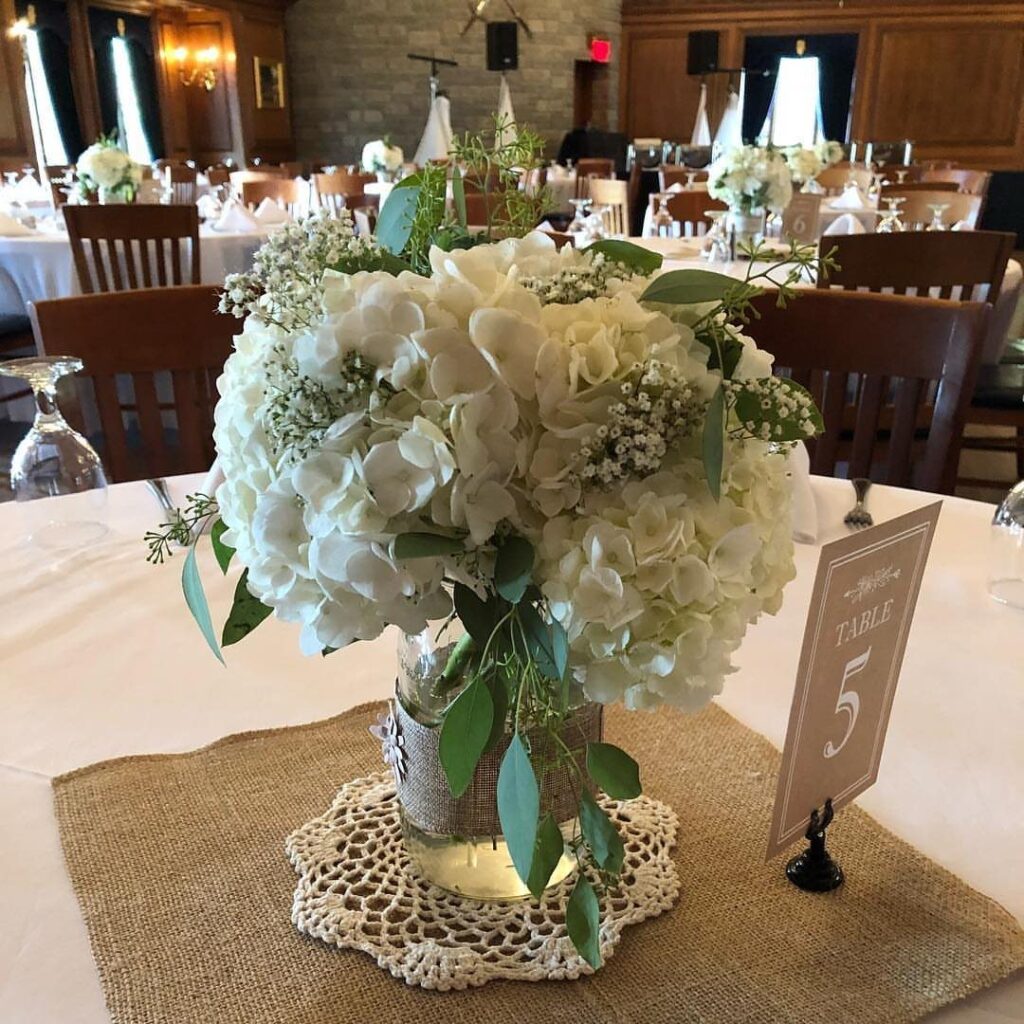
A mason jar costs little, and burlap and lace around it turn a pantry staple into something that looks chosen.
Hydrangea fills a jar fast, so you need fewer stems than you’d guess. This is also an easy job for a bridesmaid on a Friday night, no craft skill required.
4. Greenery Centerpiece
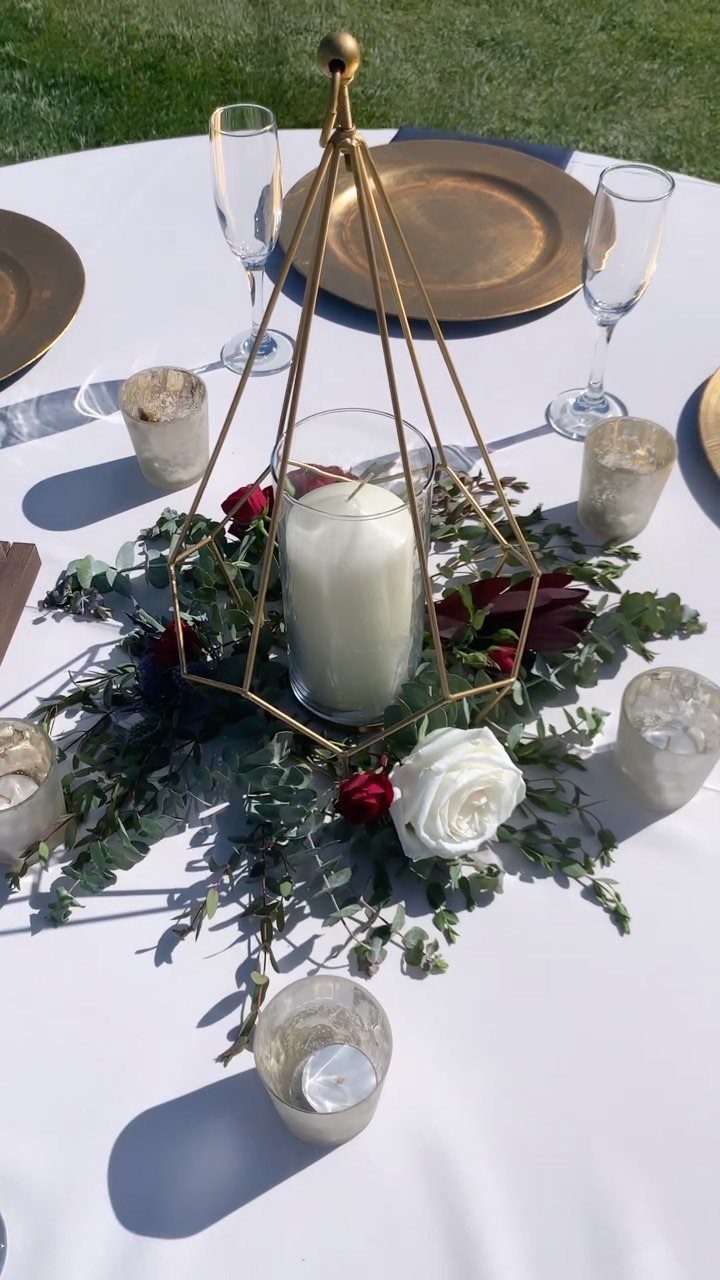
Eucalyptus does the heavy lifting: a few stems around a candle holder fill out a table, and a handful of roses is enough to add color.
Greenery is the budget-friendly base of the whole design, so spend on the holder and use just a few stems of something showy. Candle in the middle, stems tucked around its base, done in minutes per table.
5. Terrarium Centerpiece
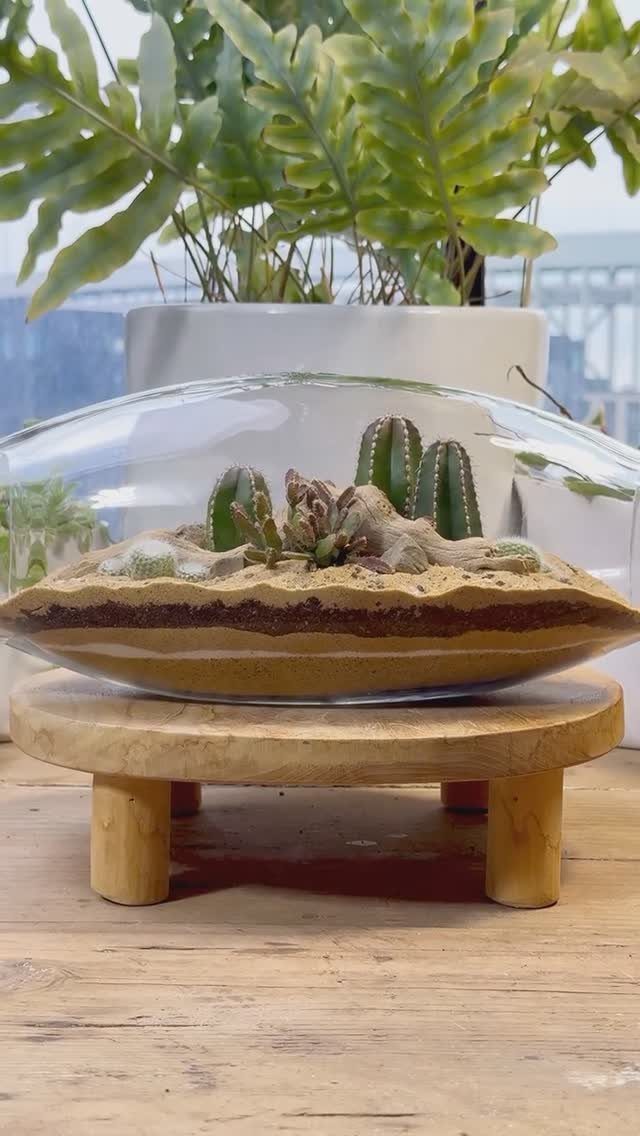
Sand, small cacti, and succulents inside a glass terrarium make a centerpiece that needs no vase and no fresh-cut flowers. Set it on a wooden stand to bring it up to eye level.
Plants can double as favors if guests take them home, which stretches the money further. Moss is the softer, greener option if you’d rather skip the desert look.
6. Fruit Centerpiece
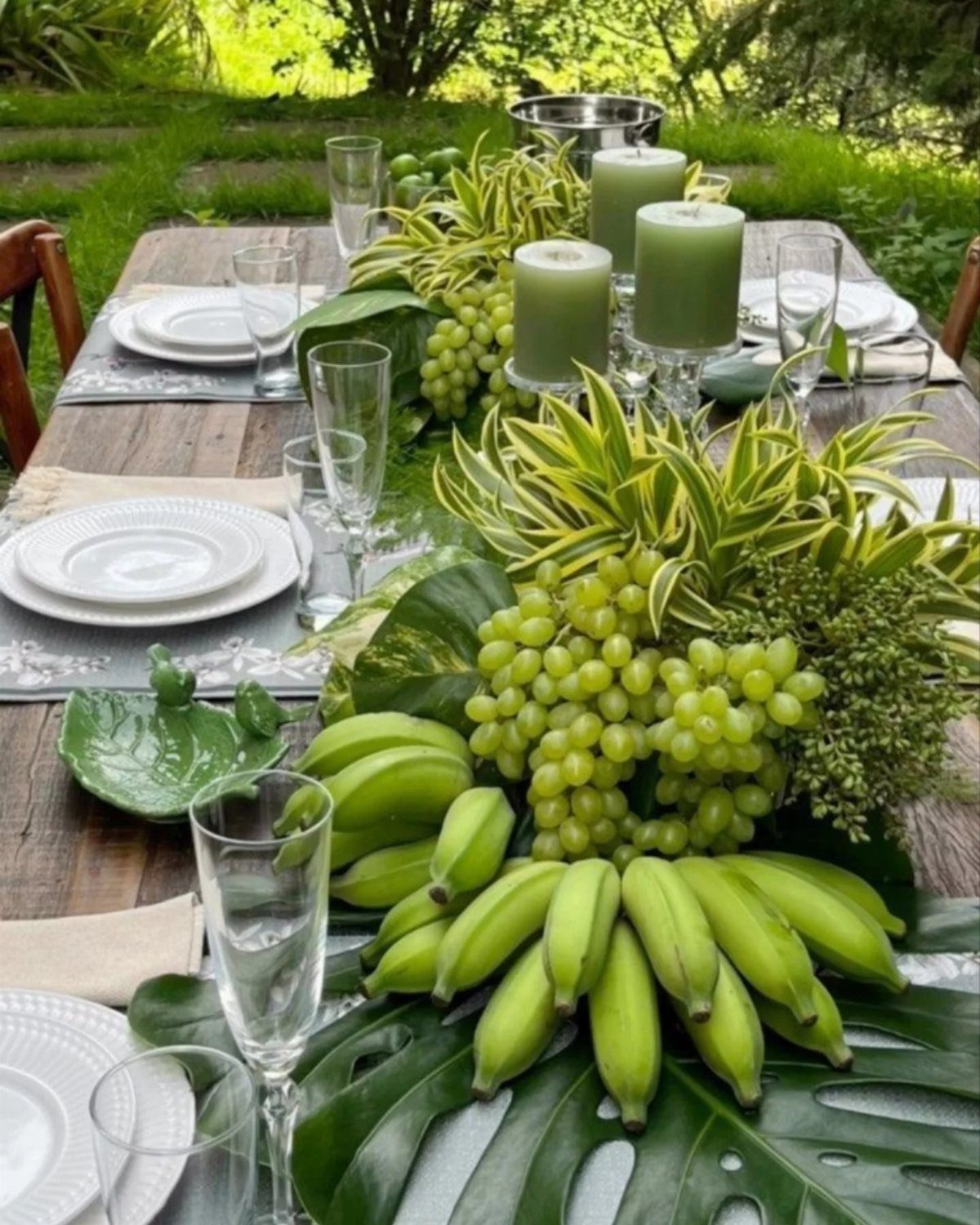
Green grapes and bananas piled with tropical leaves look generous on a wooden table, and the fruit runs a fraction of what a florist charges.
Buy the fruit as close to the day as you can, since bananas bruise and darken. I’d lay the leaves down first as a bed, then build the fruit on top.
7. Cactus Centerpiece
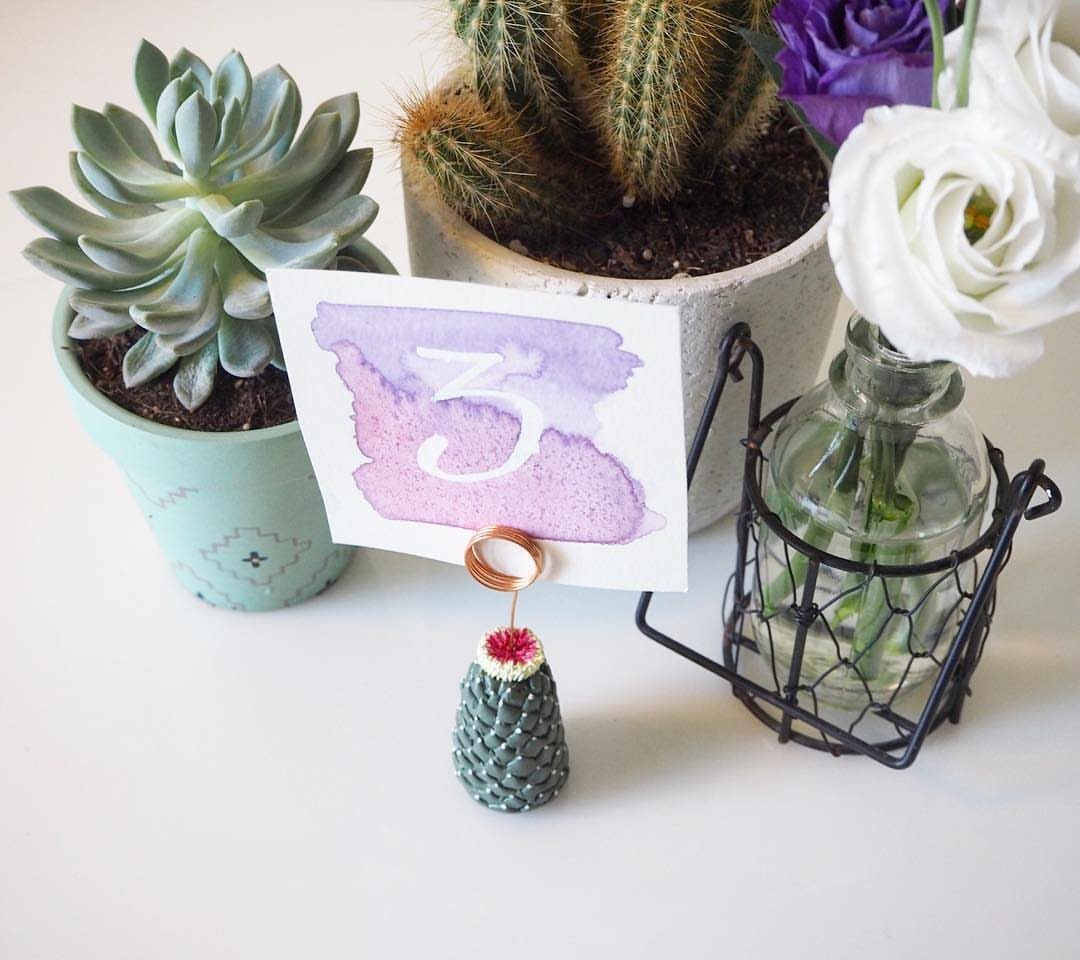
A cactus in a white pot and a small succulent in a teal pot run a fraction of what a vase of cut flowers costs, and they need no watering fuss on the day.
Plants are the sustainable pick here, since they can live on after the reception.
8. Jars & Log Slice
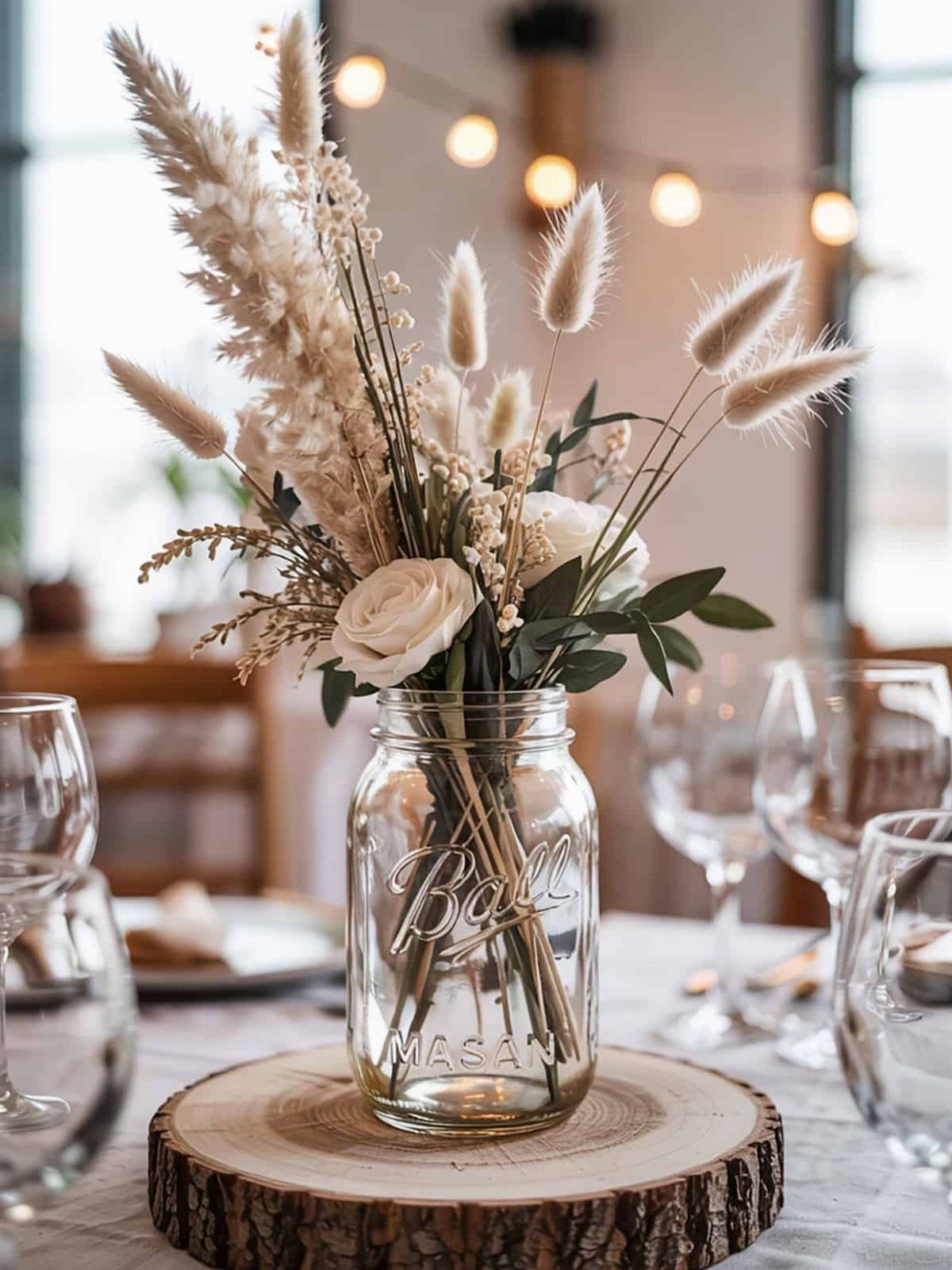
A slice of log under a Mason jar gives a table height, texture and a rustic base in one move.
White roses with pampas grass fill the jar, and the wood keeps it from looking like a plain jar of flowers.
Choose slices of similar thickness so every table matches. Keep the jar simple and let the wood supply the character.
9. Dried Flowers Centerpiece
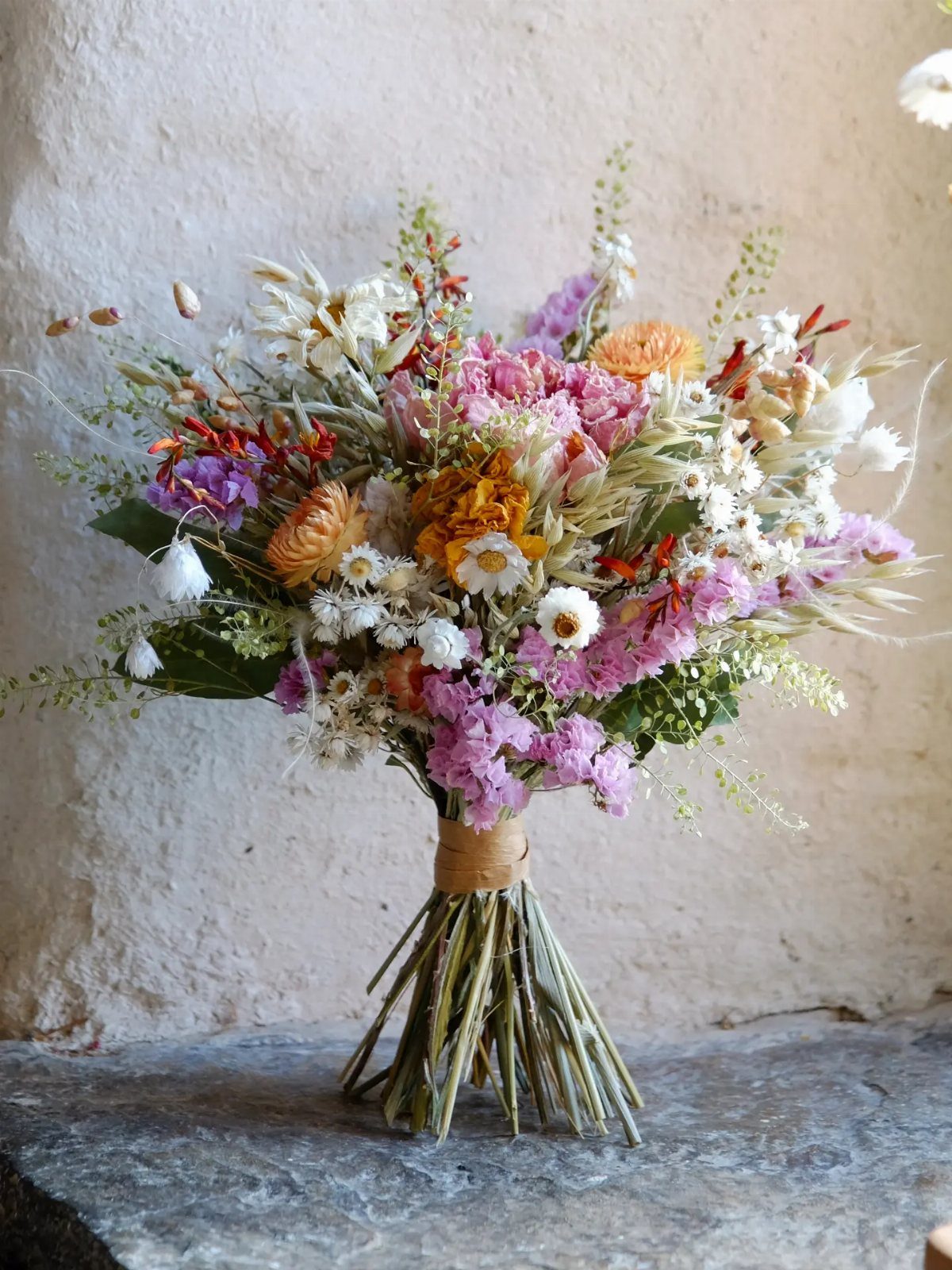
Dried flowers hold their color, so you can make these arrangements well ahead of the day and cross them off the list early. Pink and orange blooms bundled with twine look relaxed and suit a boho wedding.
Twine is the cheap finishing touch: wrap it, knot it, done. I’d lay a bundle on a ledge or table runner, or drop it into a small vase if the table needs some height.
10. Wine Bottle Centerpiece
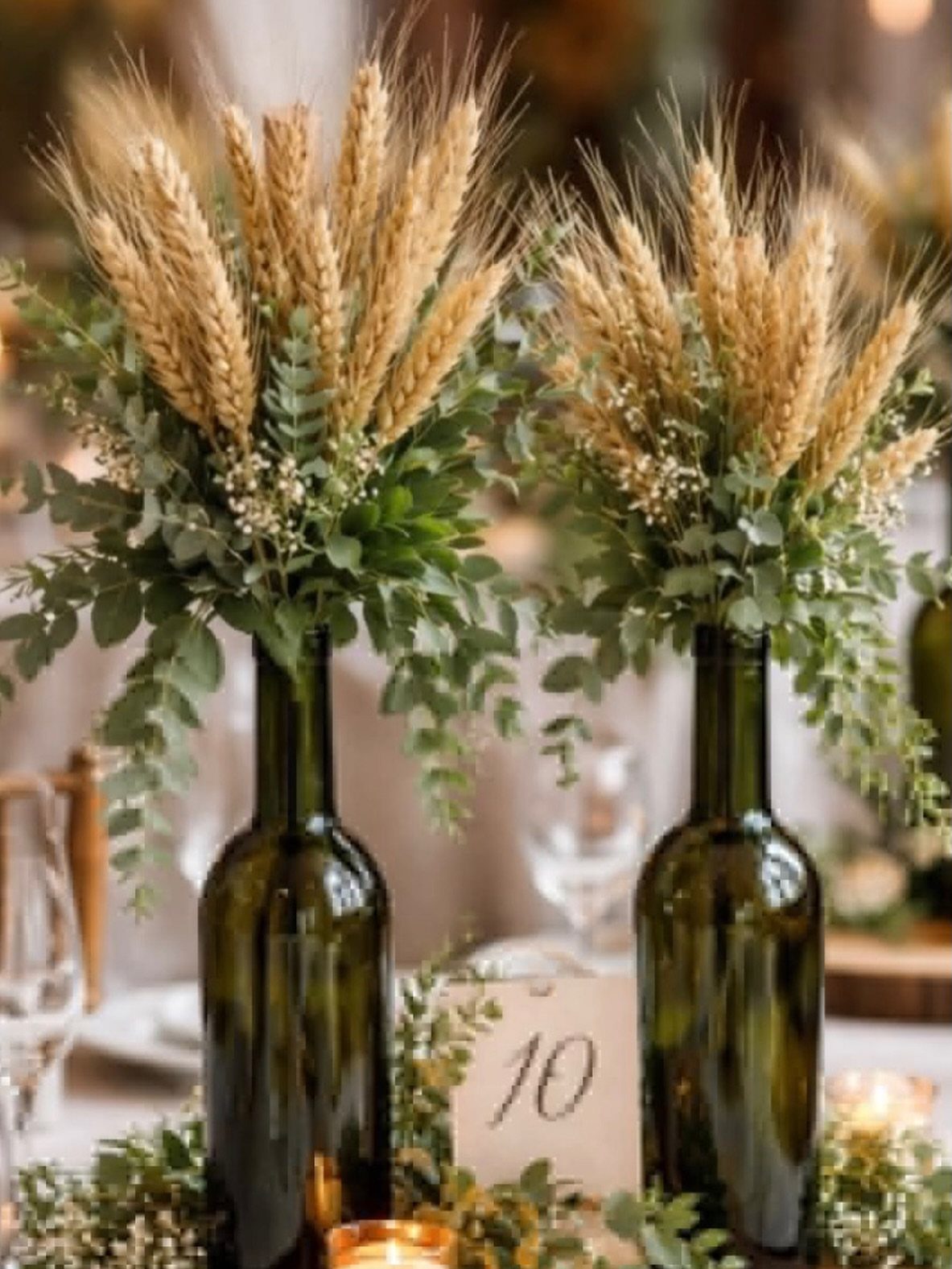
Empty green wine bottles make good vases, and the dark glass hides stems. Dried wheat and eucalyptus fit the neck of a bottle without much arranging, so there is little skill involved.
Start saving bottles months ahead, or ask friends who drink wine to save theirs. Peel off the labels first, then set candles alongside the pair so the table has some light.
11. Grazing Board Centerpiece
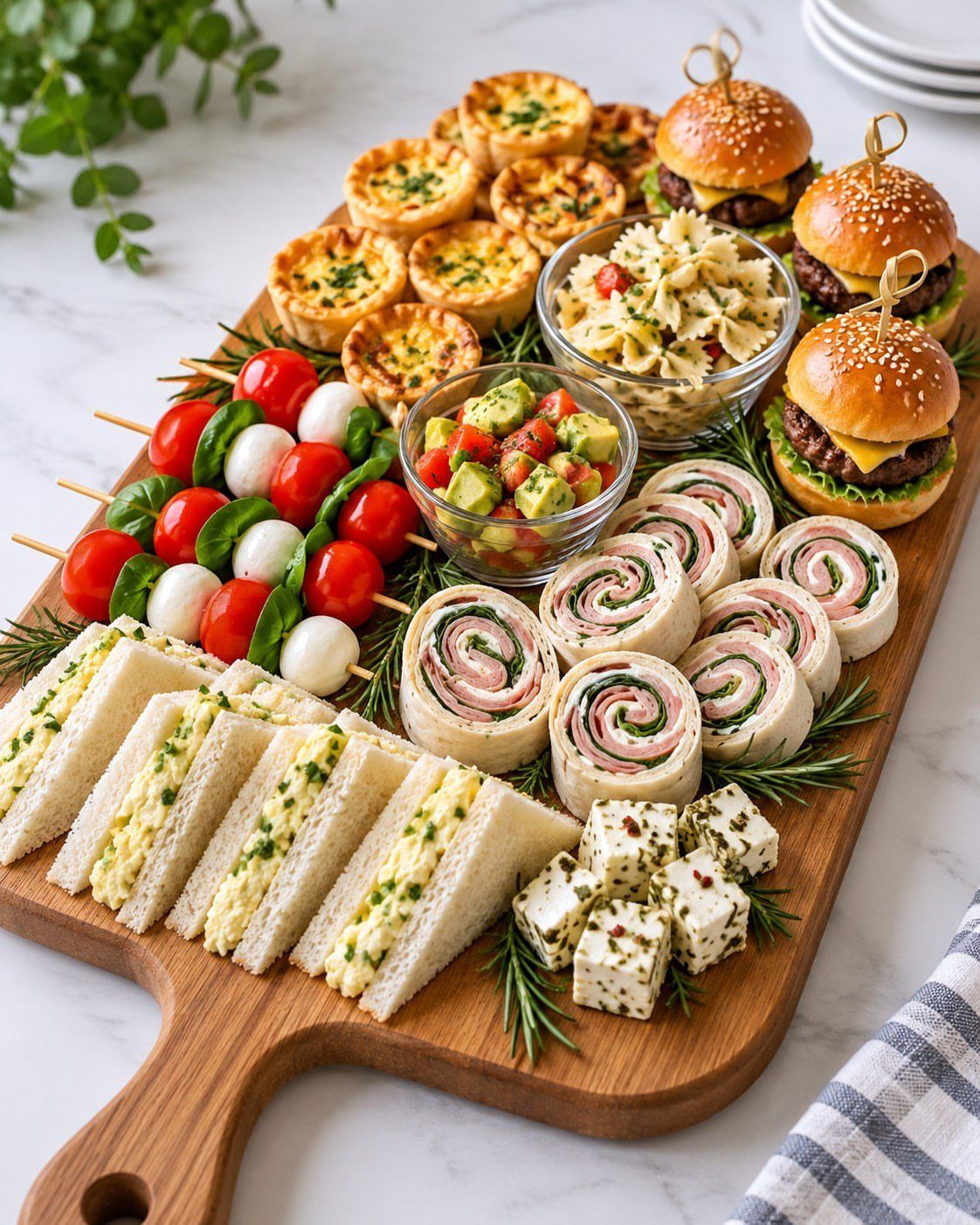
A grazing board does 2 jobs: it feeds people and fills the middle of the table.
Choose finger foods that hold up without heating. A big wooden board looks best, and one per table encourages guests to reach in and chat.
12. Balloons
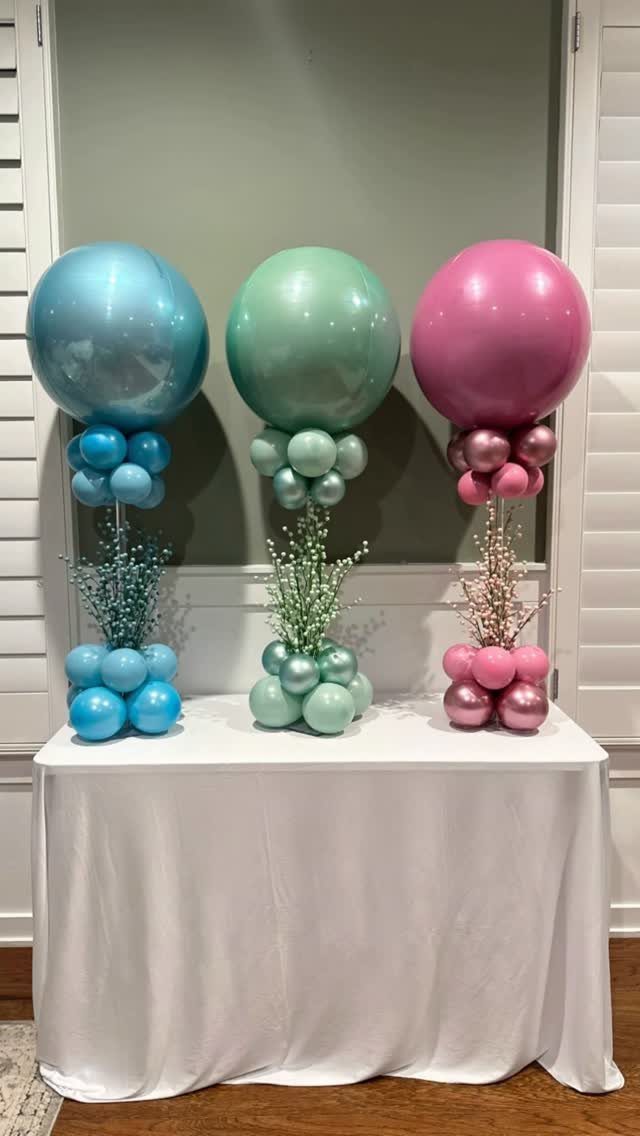
Balloon columns in blue, green and pink make a bold centerpiece for very little money, and they suit a couple who want color more than flowers. Keep each column the same height so a row of tables looks planned.
A small sprig tucked in at the top adds a touch of green. Inflate them as close to the day as you can, since I’d rather not gamble on them sagging overnight.
13. Teapots and Cups Centerpiece
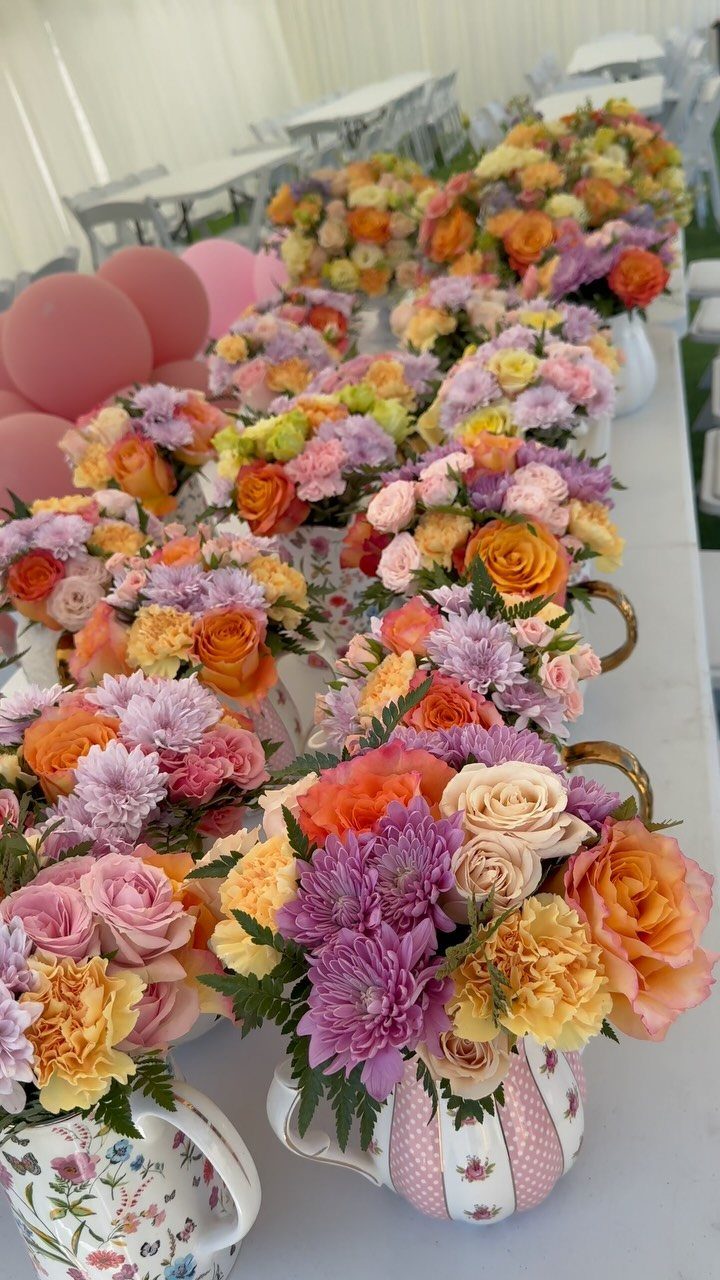
Thrifted teapots and pitchers turn mismatched china into flower holders, and the patterned white ones tie a table together even when the bouquets inside are every color.
A few stems per pot is plenty, since the small openings hold a bunch without much arranging.
Stick to white china so the pattern stays the only variable. Grouping pots in a cluster on each table, rather than scattering single ones, reads as intentional.
14. Glass Bowl Floral Arrangement
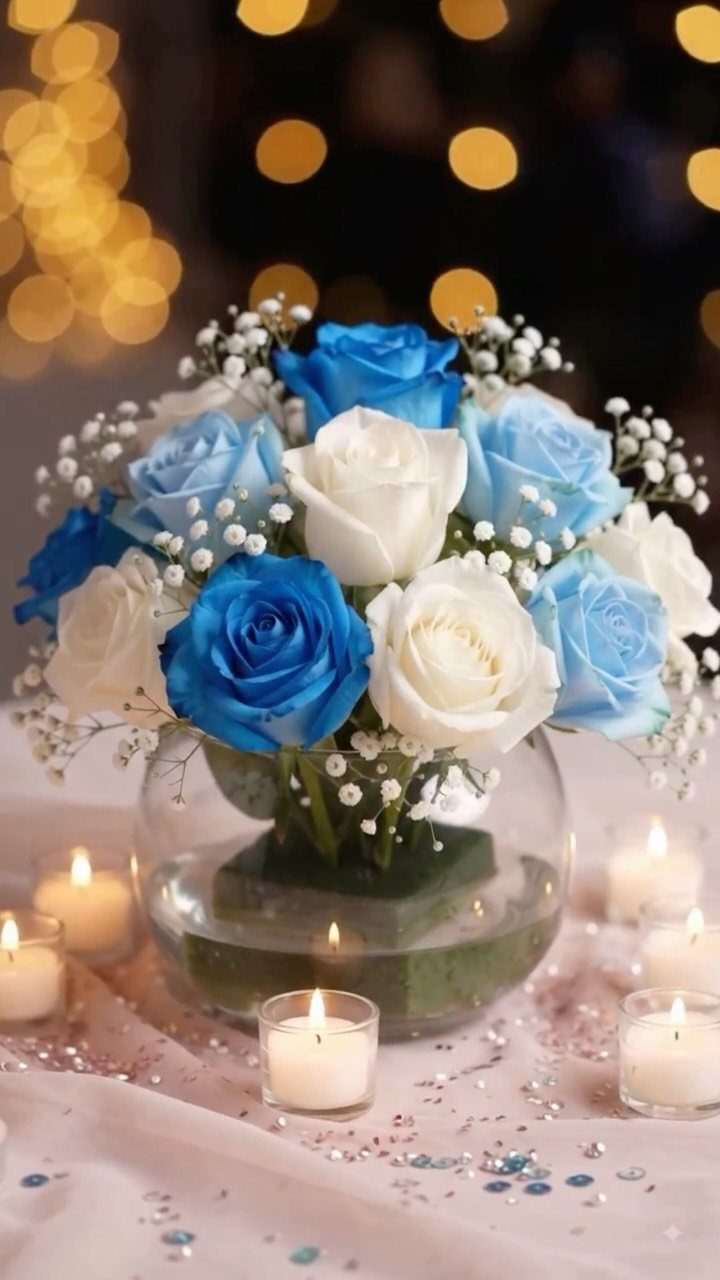
Blue and white roses with baby’s breath fill a clear glass bowl quickly, and the wide mouth means you can set each stem where you want it.
Baby’s breath is among the cheaper filler flowers, so it stretches a few roses.
Scatter tea lights around the base for glow, and keep the cloth plain so the bowl is the focus. Skip the lighting until guests arrive, and the candles stay fresh.
15. Wicker Basket and Patterned Vase
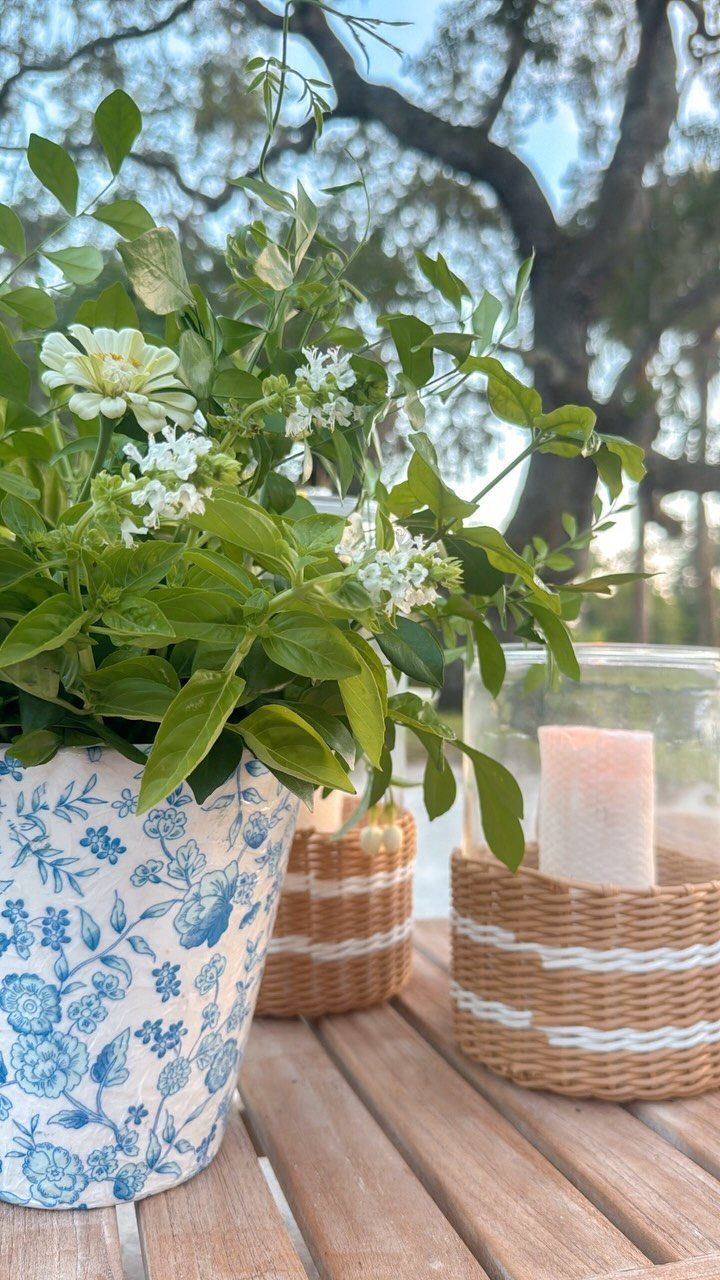
Pairing a blue and white patterned vase with woven wicker candle holders gives a table two textures for the price of two thrift-store finds.
Greenery with a single white flower is enough in the vase, because the pattern already supplies the interest.
I’d keep the candles in one color, like the pink one, so the table stays calm. This suits an outdoor wooden table especially well.
16. Decorative Birdcage Centerpiece
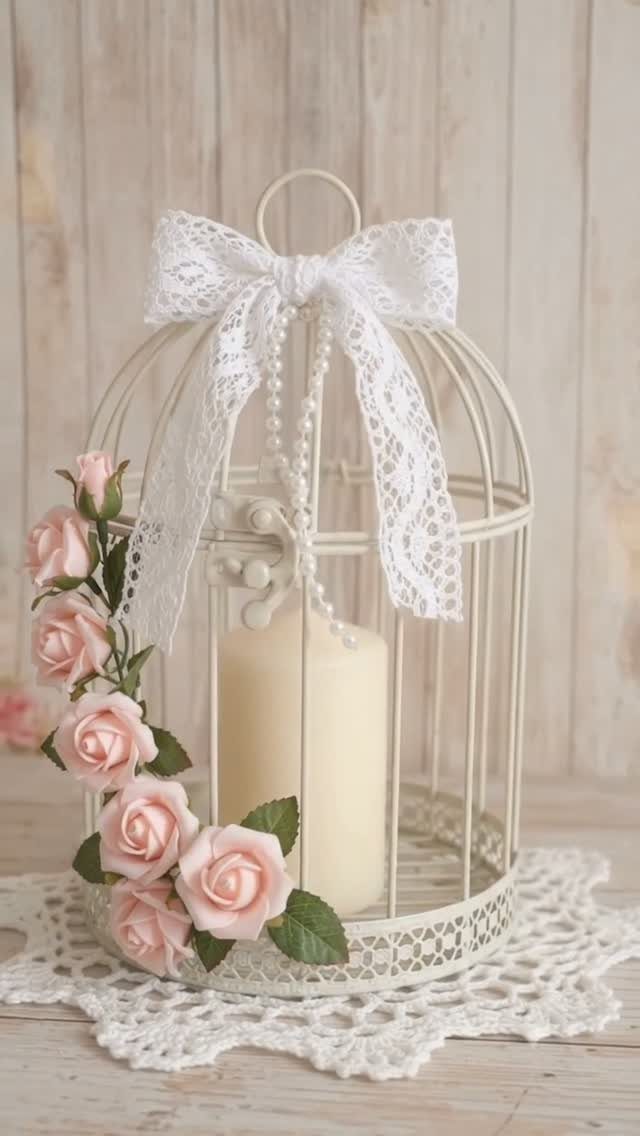
A wire birdcage works as a candle holder: set a pillar inside, then dress the outside with flowers, pearls and a ribbon. Hot glue or floral wire holds the trims in place, so no real skill is needed.
Put a crochet doily underneath to soften the base. Birdcages cost more than most centerpieces here, so look for secondhand ones and buy only as many as you have tables.
17. Floral Hoop Centerpiece
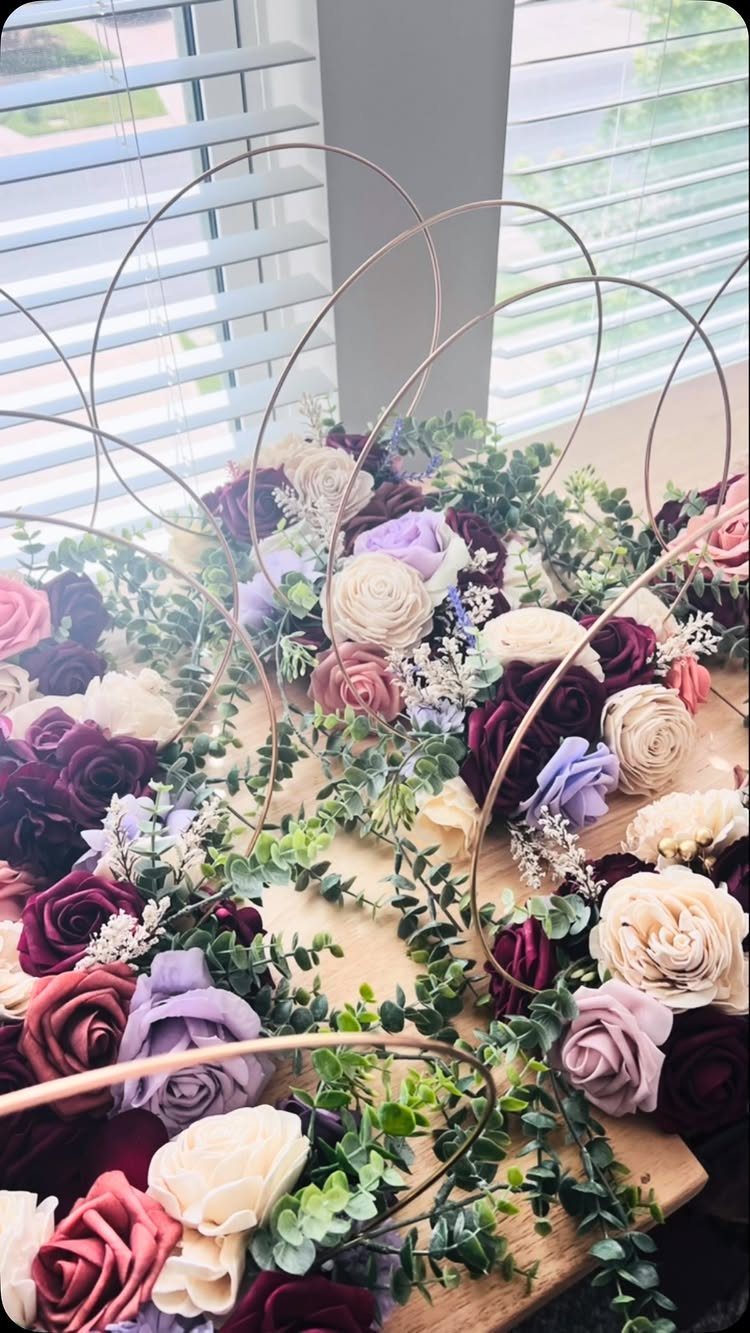
A gold metal hoop frames a few roses and eucalyptus, so a small bundle looks bigger than it is. Artificial roses keep the cost down and can be assembled weeks early, which clears time on a tight schedule.
Wire or glue the blooms along one section of the ring rather than all the way around. I think cream with a touch of pink and purple reads as planned, not busy.
18. Ceramic Vases with Pillar Candle
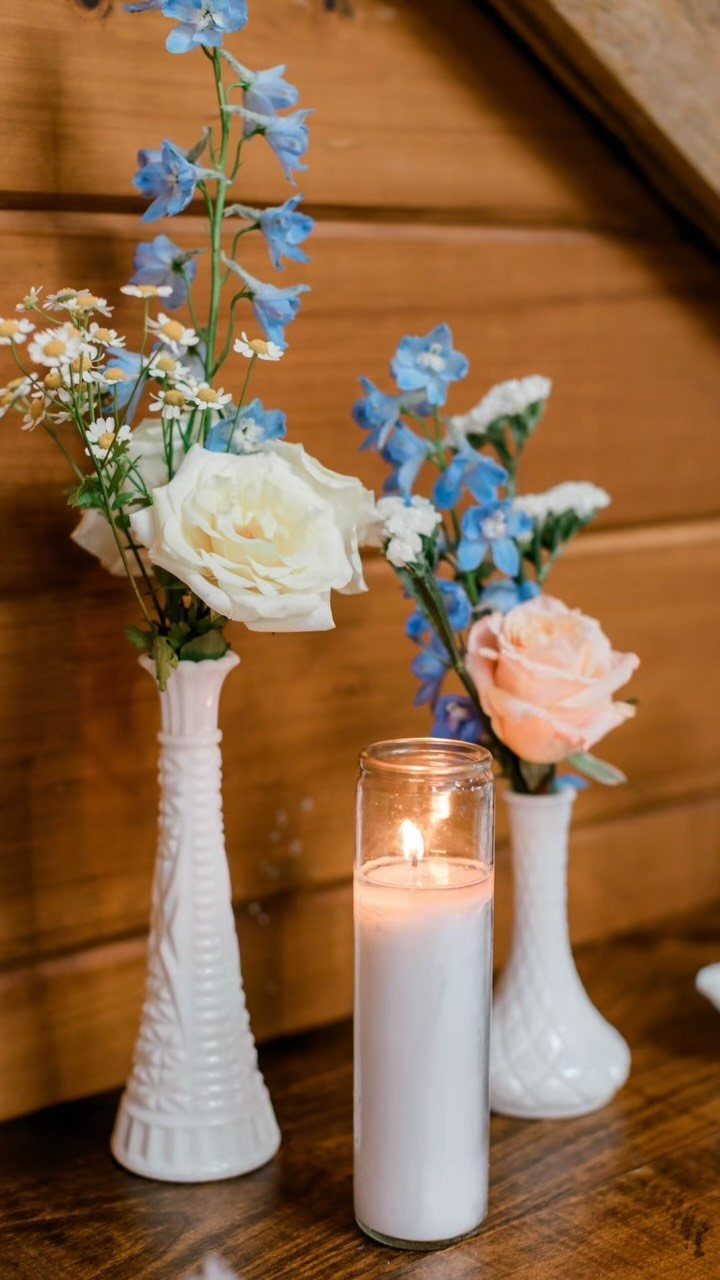
Textured white ceramic vases hold a loose mix of white, pink and blue flowers, and the texture means you can use fewer stems and still have a full-looking table.
Pair them with a pillar candle in a glass cylinder, which shields the flame and costs little.
Soft tones in the blooms let the candle be the one bright spot on the table.
DIY Centerpiece Tips
Start with arithmetic: count your tables, then divide the centerpiece budget by that number.
The result is your cost per centerpiece, and it should include any tools you have to buy, like a hot glue gun or a crafting knife. Renting what you want can come out cheaper than buying it.
Build one finished centerpiece before you buy supplies for the rest. You may change the design halfway through, and a prototype lets you tweak it, or get a friend’s opinion, before the money is spent.
Simple designs are cheaper, quicker to set up and tear down, and more likely to turn out well. Give yourself plenty of lead time, since craft projects take longer than they look.
If you use flowers, real or faux, keep them light and airy rather than densely packed.
More blooms raise both the cost and the hours you spend. You can also dress half the tables more elaborately than the others.
Cost-Saving Strategies
Flowers and decor often claim as much as 10% of the total budget, which makes centerpieces a sensible line to cut.
Premium silk flowers look very realistic, and you can reuse or repurpose them after the wedding. I would pay for good ones before I’d buy a large batch of cheap ones.
Look at what your ceremony flowers can do next. Arrangements from the ceremony can often move to the reception tables, so you pay for them once and use them twice.
Borrowing is the other big saver. Ask friends and family what vases, holders, or other decor they have sitting in cupboards, then plan your tables around what comes back with a yes.
Keep the arrangements simple. Minimal designs cost less and spare you a complicated DIY job.
Centerpiece Alternatives
Candles are the easiest swap for flowers, and they add glow to the room. Pick a style and repeat it so the tables look planned.
Potted plants and succulents also work in place of a floral arrangement. Houseplants you already own work well, a few borrowed from friends fill in the gaps, and new ones double as favors guests carry out the door.
Before you commit, set one table with your pick and look at it from where guests will sit. If it reads as a deliberate centerpiece, repeat it across the room.
Frequently Asked Questions
What are some inexpensive wedding centerpieces I can use?
Mason jars filled with hydrangea, thrifted teapots holding a few stems, and greenery around a candle holder are the cheapest picks I’d start with.
Two or three eucalyptus stems cover a table, and a single bunch of hydrangea packs a jar, so the flower order ends up smaller than most couples expect.
Dried flowers, potted succulents and a grazing board also cost little, and they skip the florist.
Are silk flowers worth it for cheap centerpieces?
Good silk stems earn their price: the best ones pass for real at arm’s length, and they can go in a home vase or a gift bundle once the night is over.
Since silk never wilts, you can build every arrangement a few weeks early and take that job off the final week.
Can I reuse ceremony flowers as reception centerpieces?
Ceremony arrangements can usually be carried over to the reception tables, so one set of flowers does double duty.
You pay for them once and use them twice, which makes it one of the easier ways to cut the floral bill.