The ideas here run from a $5 strand of fairy lights to a glass marquee that costs more than a standard tent, so the spread in price and effort is wide.
What decides your pick is the site itself: a pavilion with beams invites hanging greenery, a stone patio suits wooden signs, and a marquee only works if the venue has one or allows a rental.
Settle that first, then spend on the single piece guests will see most and keep the rest simple.
1. Suspended Greenery Installations
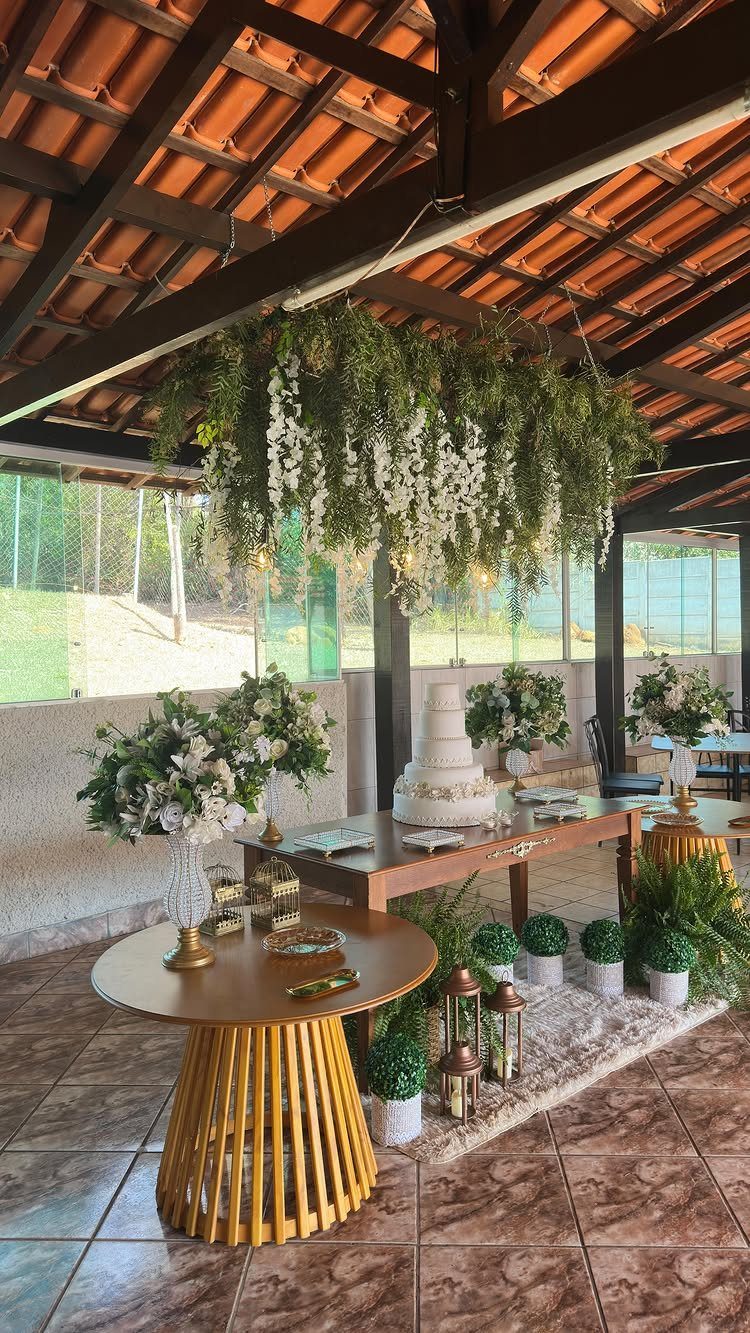
Hanging greenery pulls the eye up and fills dead space overhead, which makes it a good fit for a pavilion or covered area with a wooden ceiling or beams to hang from.
A single large piece over the dessert table or head table does more than several small ones scattered around.
I would put the money into one generous installation rather than spreading it thin. Greenery with white flowers keeps it soft and lets the table below stay simple.
2. Garden-Themed Backdrops
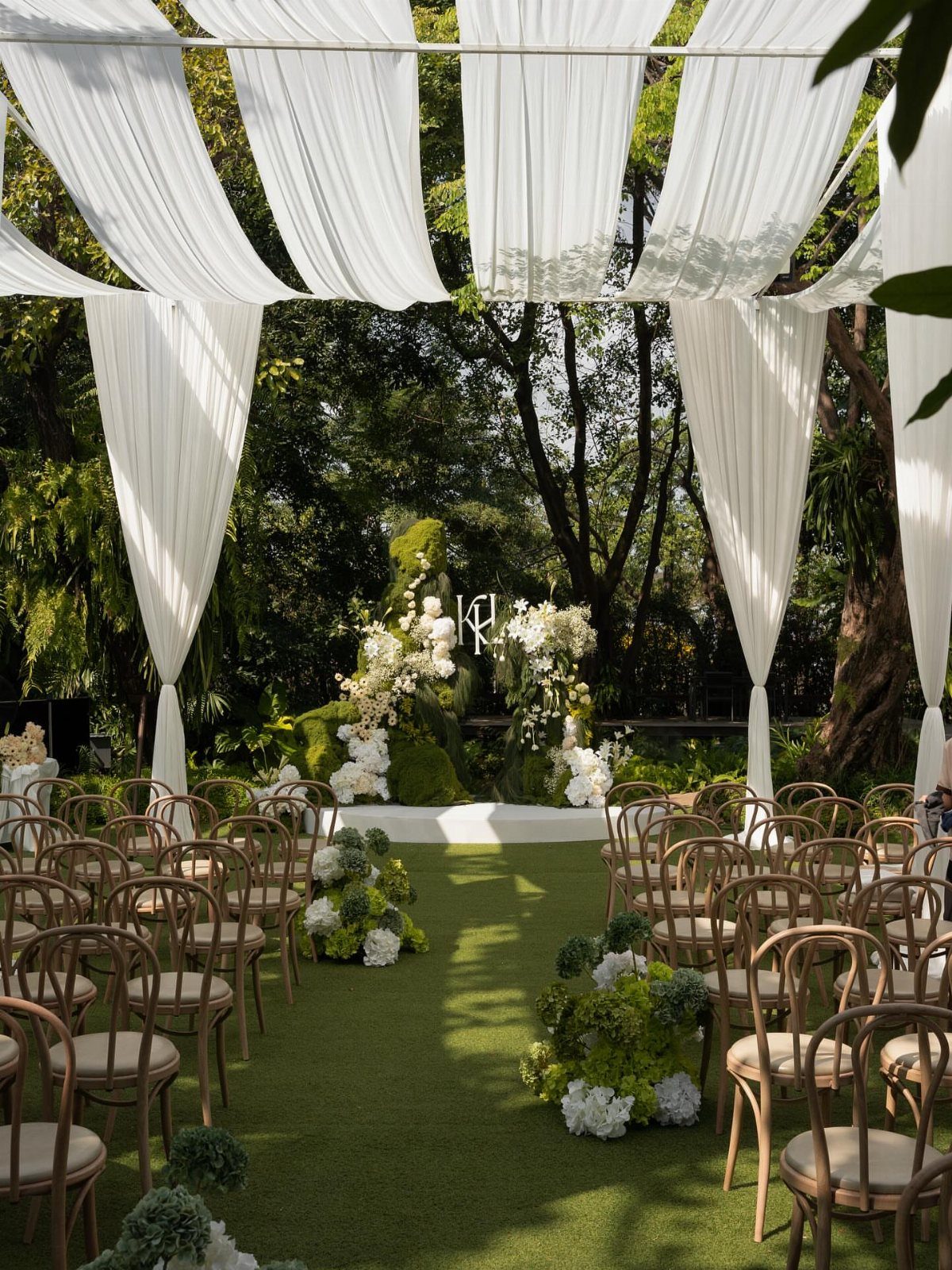
A backdrop gives the ceremony a focal point, and in a garden it frames the couple against grass and trees. White draped fabric over a floral arch, with initials worked into the flowers, reads as formal without fighting the setting.
Personalized initials are a small detail, but photographers love them. If the budget is tight, pick the arch or the draping, not both, and let the flowers carry the look.
3. Candle and Flower Centerpieces
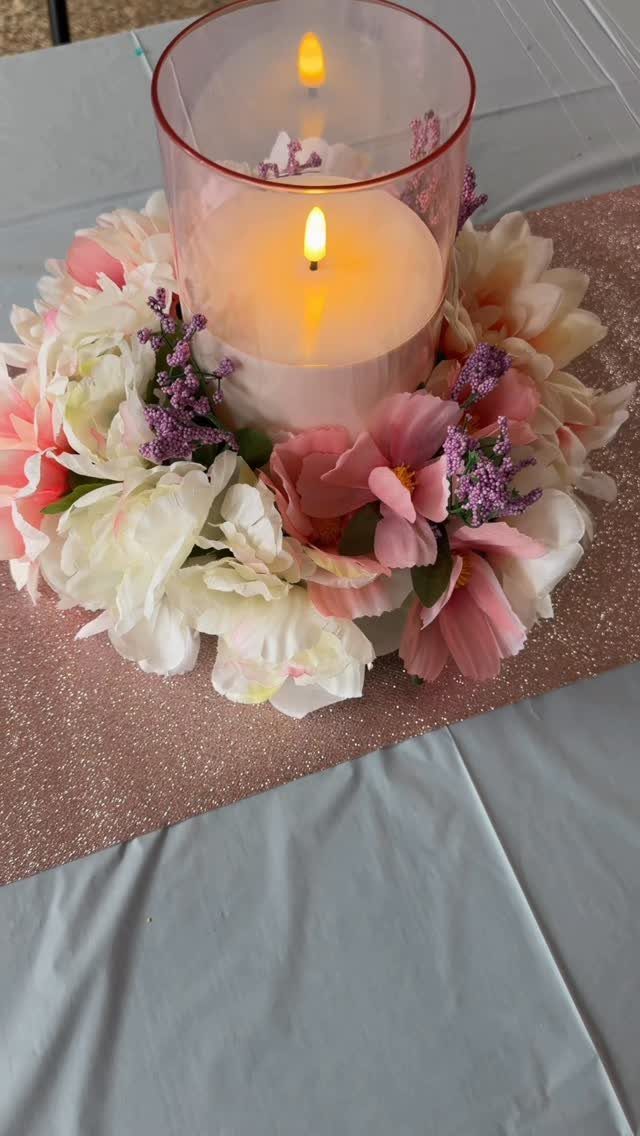
For a candle-and-flower centerpiece on a budget, the cheapest version is a DIY ring. This one runs on a $5 battery-powered candle, a section of pool noodle and silk flowers.
Cut the noodle into a ring, cover it in faux blooms, and set it around the candle in a glass cylinder. I like pink and white against a glittery runner because the sparkle picks up the candle glow.
Faux flowers can be made weeks ahead, which takes one job off the final days.
4. Fairy Lights
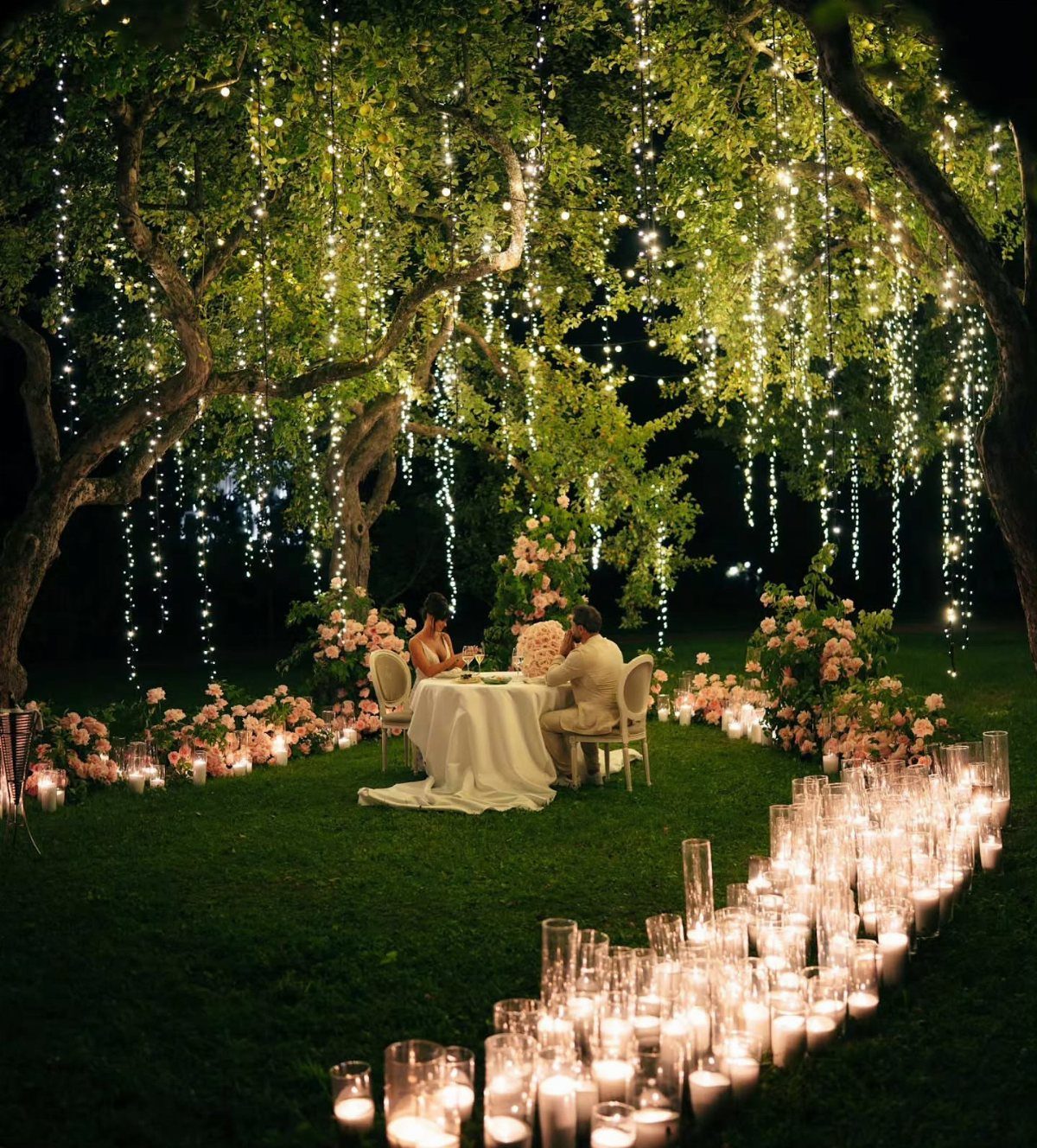
Strands draped through a big tree turn an ordinary garden dinner into the part of the night people remember. Dinner under the branches, with candles along the grass, gives you light at several heights without any extra gear.
Hang the lights before dusk so you can check how they look once it darkens. Warm white suits a garden better than cool white, and I would pair the strands with candles, not rely on them alone.
5. Wooden Signs
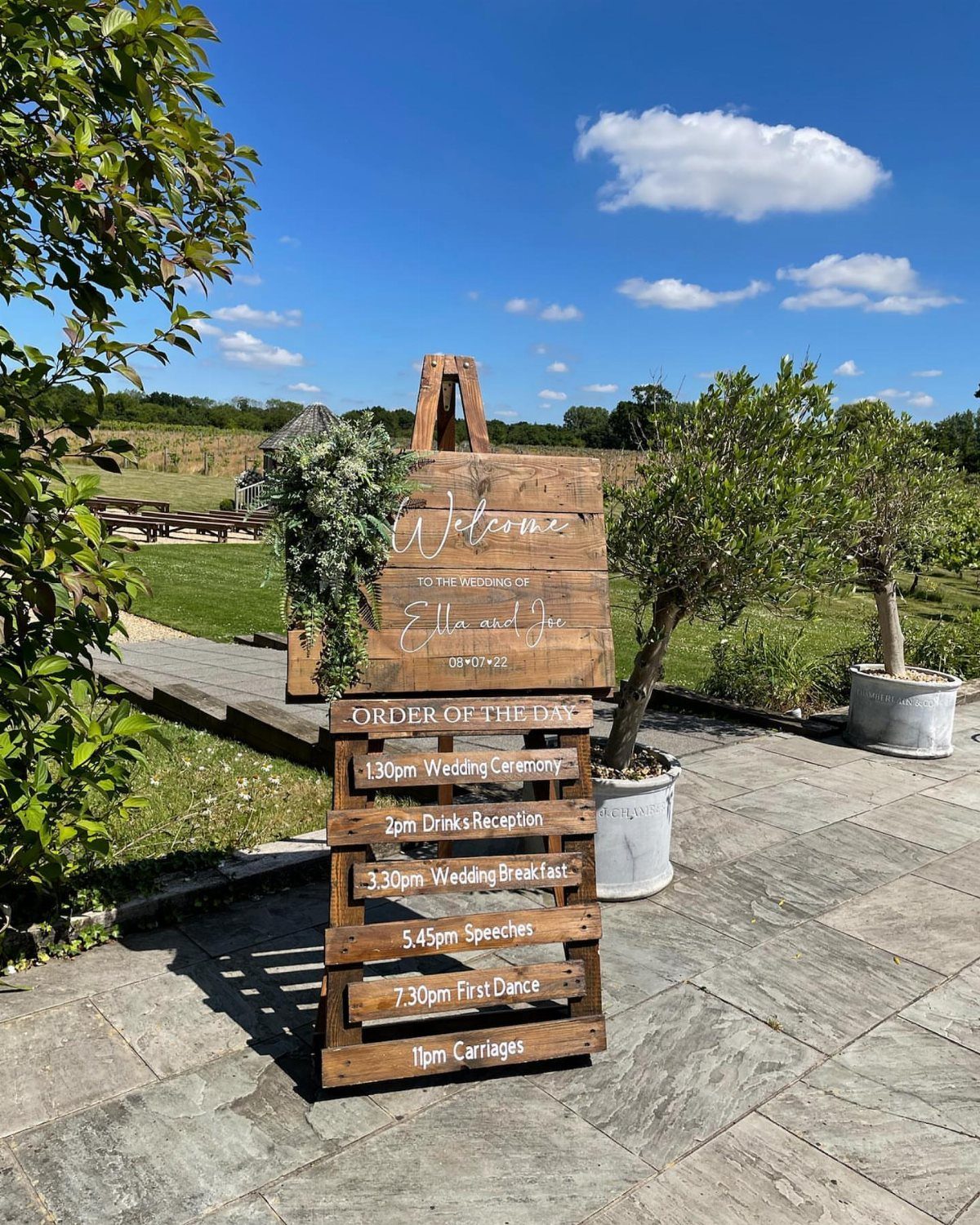
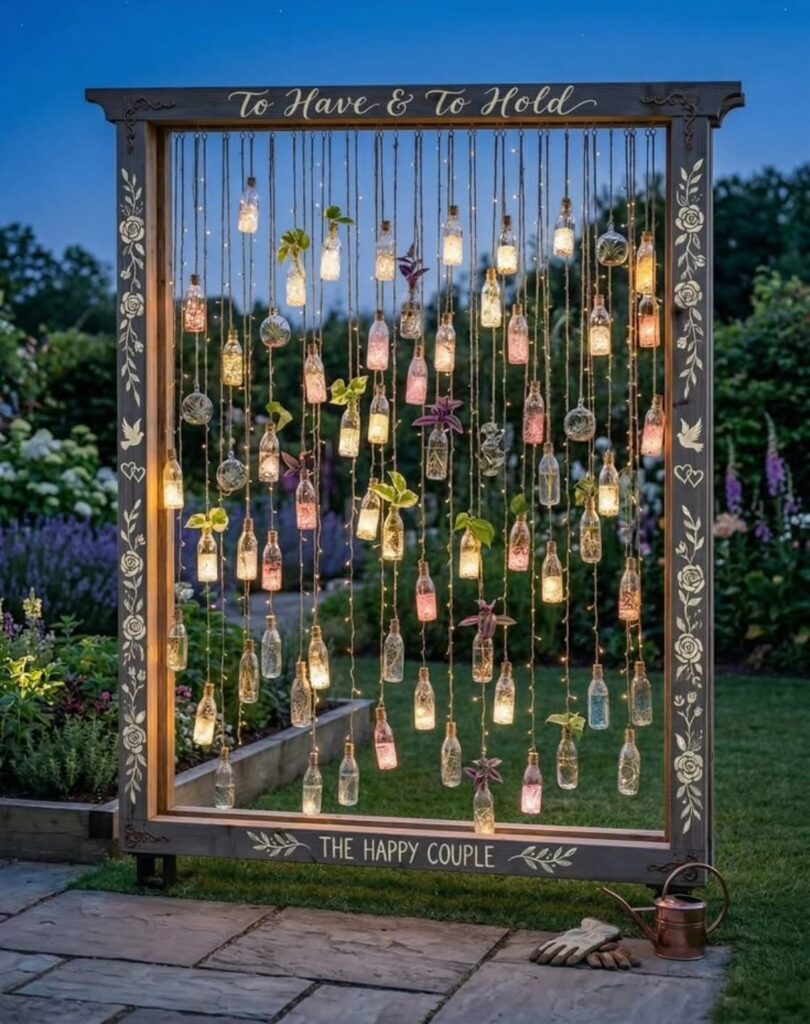
2 signs cover most of what guests need: a welcome sign at the entrance and an order-of-the-day board that tells people what happens and when. Wood suits a stone patio or garden path because it looks like it belongs there.
Hand-painted lettering costs less than most printed signage and feels warmer. Keep the schedule short and the letters large enough to read from a few steps away.
6. Herb Pot Favors
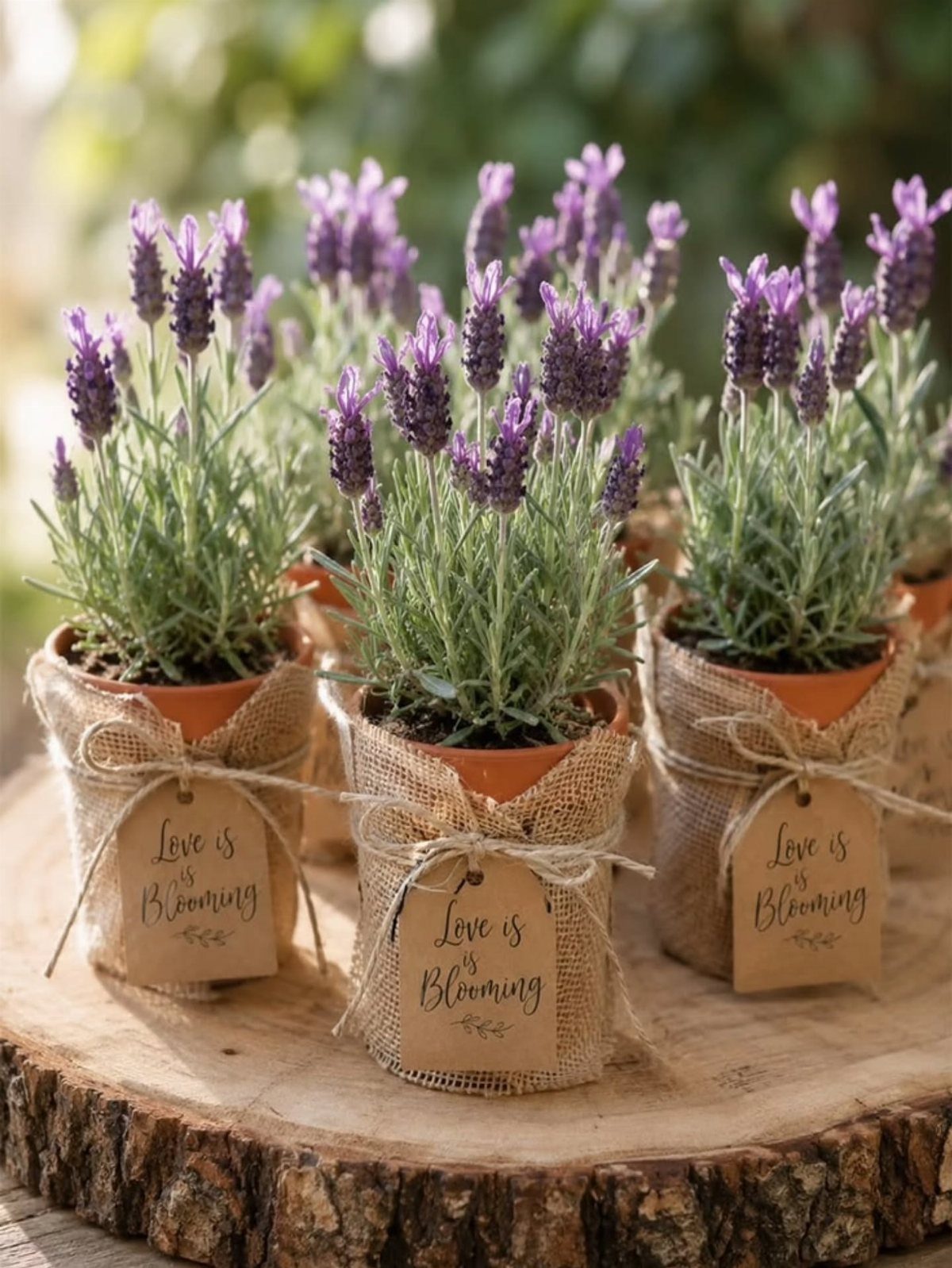
Small potted lavender in terracotta, wrapped in burlap and tagged with a "Love is Blooming" message, works as table decor first and a favor second.
Guests take it home and it keeps growing, which beats a trinket that ends up in a drawer.
Set the pots out in groups on a wood slice or along the tables. Buying young plants in bulk is usually cheaper than ordering ready-made favors, and the tags are an easy home printing job.
7. Flower Petals Down the Aisle
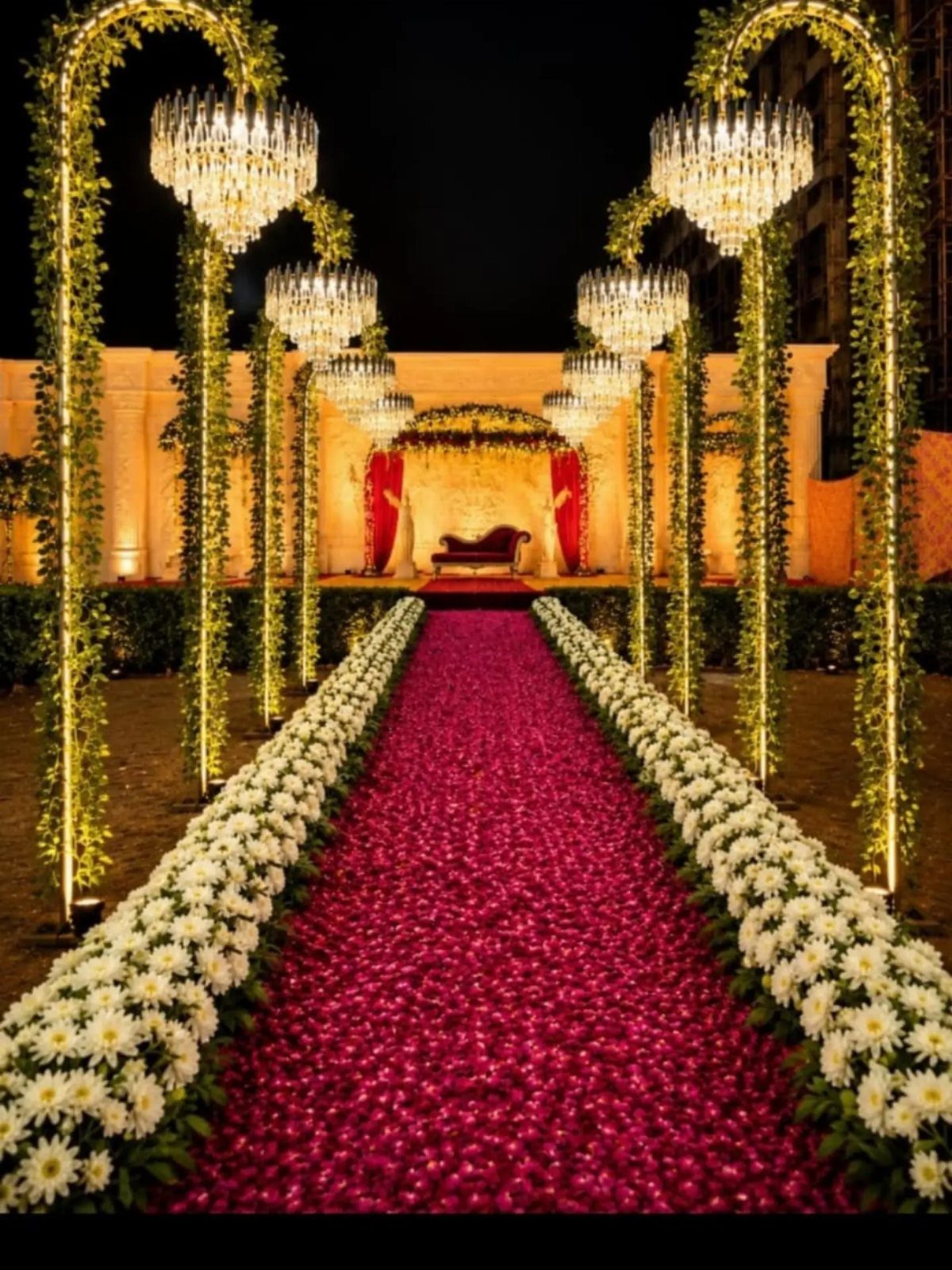
Loose petals turn a plain walkway into a ceremony route, and a single strong color does most of the work: deep red petals against a pale path, or white ones scattered over grass, read clearly from the back row.
Red against green arches reads bold, so I would keep the border simple and let the petals lead.
Pick one petal color for the path and a second for the edge. Scatter them thick near the start and thinner toward the front, so the aisle looks full from where guests sit.
8. Floral Invitations
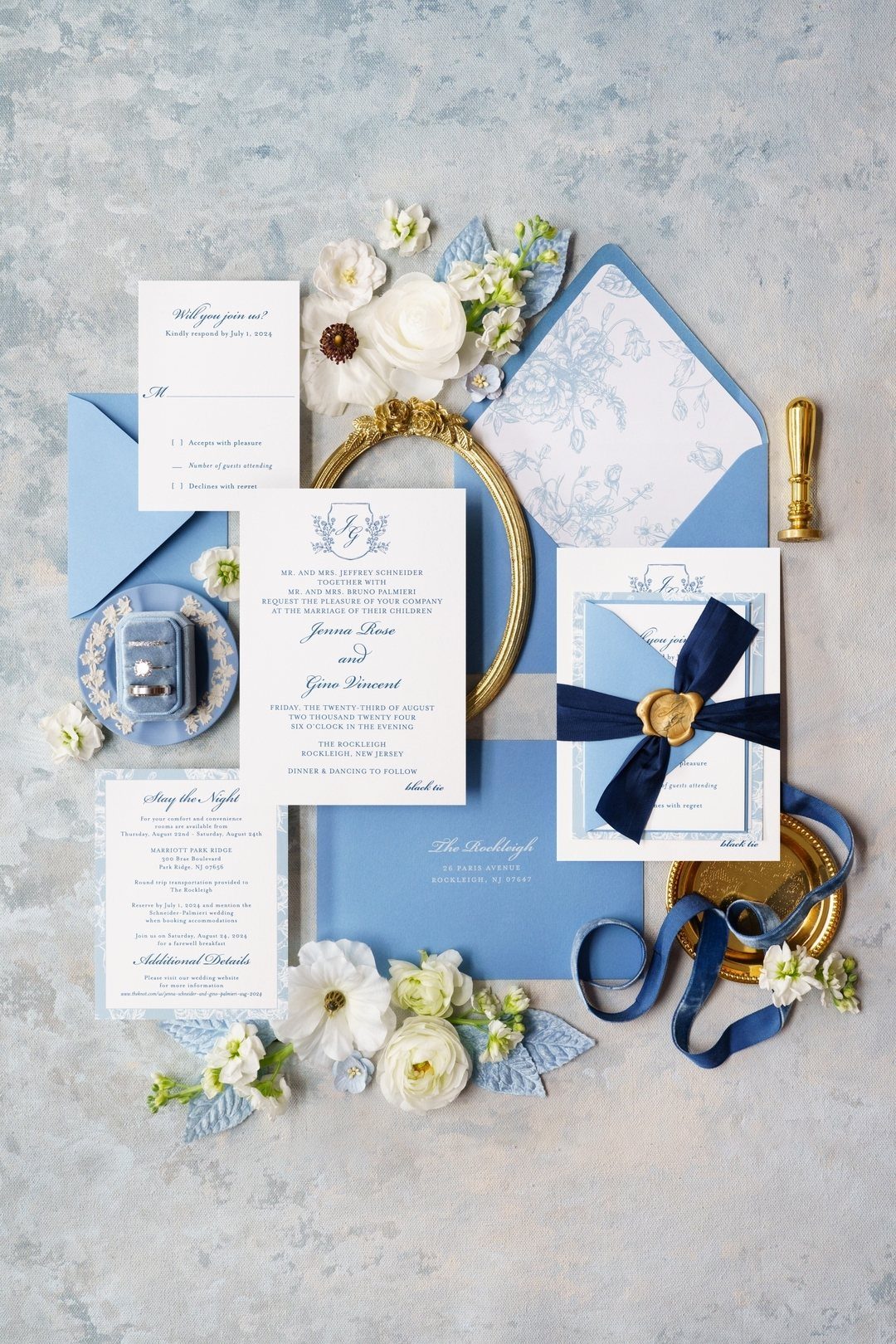
Invitations are the first look guests get at your palette, so a floral one sets the mood weeks before the day.
Blue envelopes with navy ribbon and white roses promise a cool, formal garden, and the color choice does half the work.
If the budget is tight, spend on the one piece guests will handle most, usually the envelope or the main card. A wax seal adds weight for little money, and I would pick it over extra inserts.
9. Butterfly Place Cards
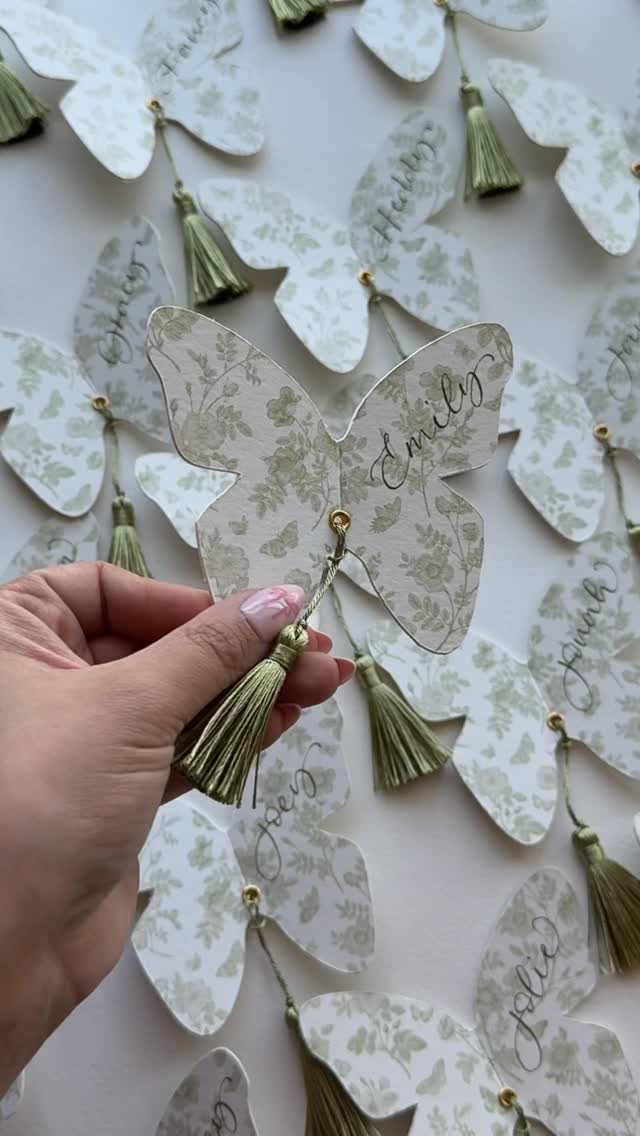
Name cards cut in a butterfly shape make guests feel the table was set for them in particular. A green tassel and a floral pattern tie the card to a garden palette without adding a single extra centerpiece.
Cutting the shape yourself is a good weekend job, and a craft punch keeps the edges clean on a large batch.
Write names by hand if your lettering is steady. Nicknames like "Hubby" or "Joey" add warmth, so ask close friends and family how they would like to be listed.
10. Fruit and Floral Garland Runners
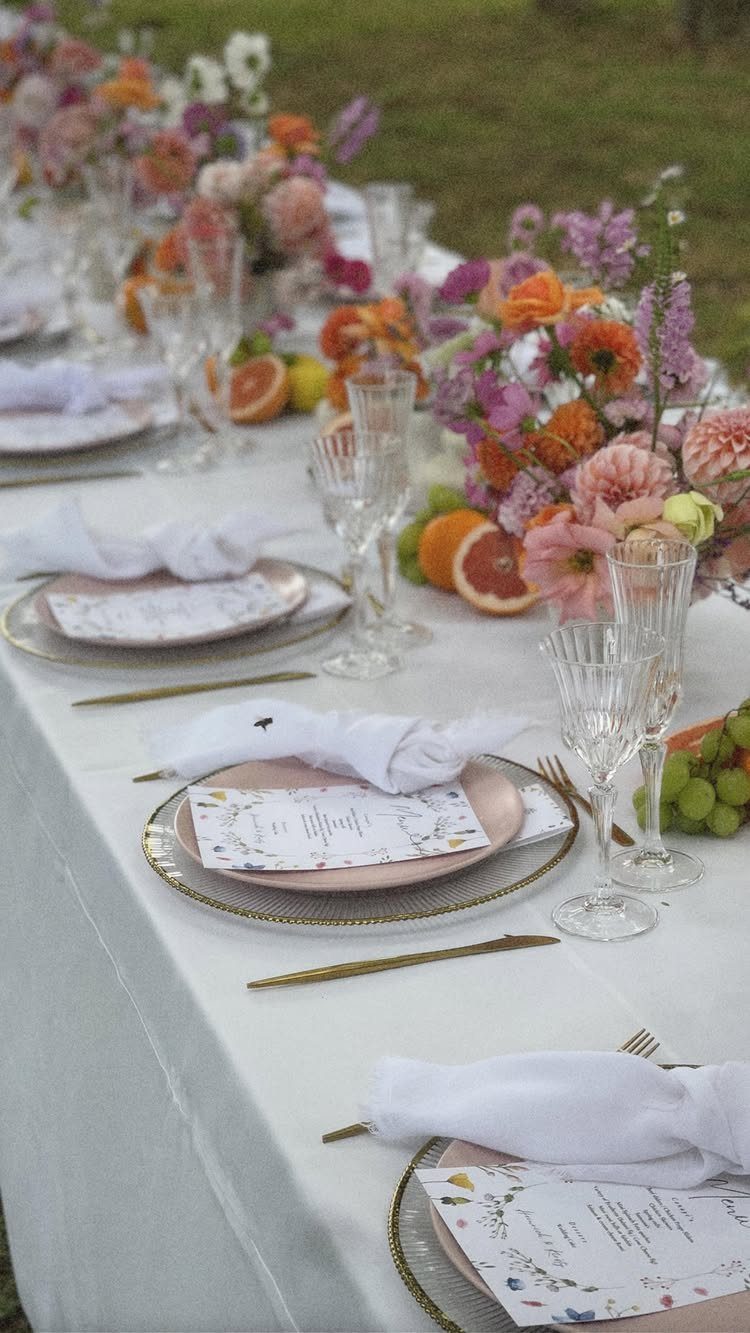
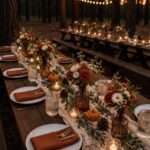
Sliced citrus laid between blooms gives a table runner color that flowers alone cannot, and the fruit costs less than filling the same length with more stems. Oranges and lemons against a white cloth look fresh and bright.
Build the runner down the center of a long table, alternating fruit and flower clusters so the line stays even.
I would leave gaps for plates and glassware to breathe. Slice the fruit close to the event so the cut faces look their best.
11. Glass Marquee Reception Setup
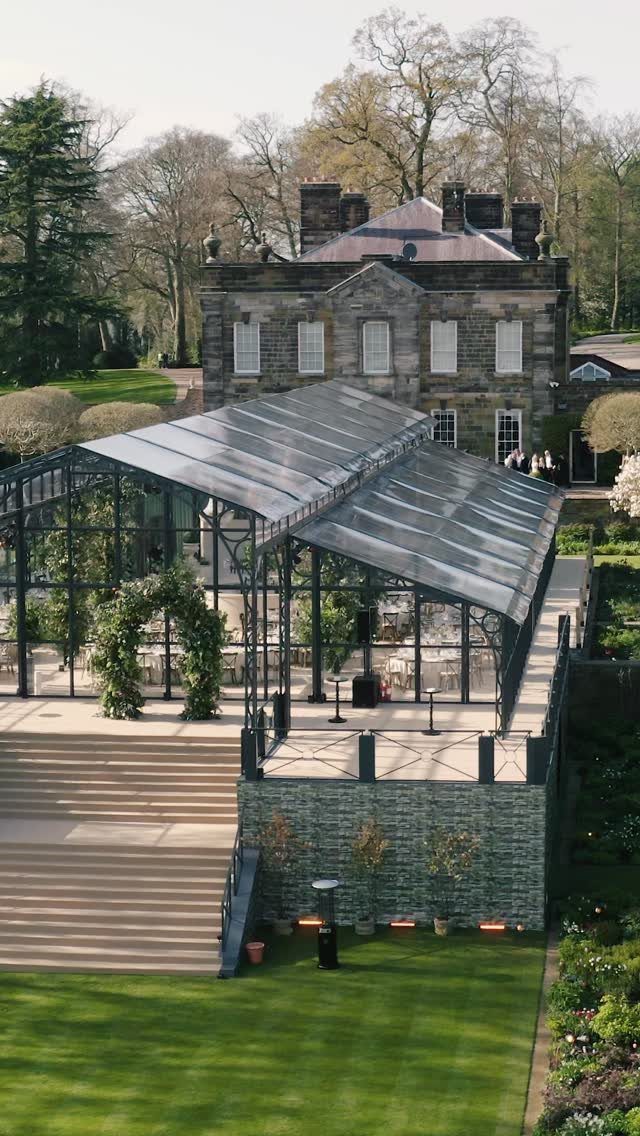
A glass marquee lets guests dine with the lawn and the house in full view, whatever the sky is doing. A black frame keeps the lines crisp, and a floral arch at the entrance softens all that glass.
This is a venue-level choice, not a decor add-on, so ask early whether the site has one or allows a rental.
Expect it to cost more than a standard tent. Keep the inside simple, since the view is already the decoration.
Frequently Asked Questions
How do you do a backyard wedding?
Start with what the space already gives you, like a big tree, a covered patio, or a lawn, and add decor in layers.
A tree wrapped in string lights, plus candles set low in the grass, puts the glow at 3 heights, and you rent nothing to get it.
Add a backdrop at the ceremony spot and one or two signs, and let the setting handle the rest.
What are some creative ideas for wedding decorations?
A hanging greenery installation with white flowers over the dessert or head table fills the empty space overhead. Table runners of sliced oranges and lemons between blooms add color for less than extra stems would cost.
Potted lavender in terracotta does 2 jobs: it dresses the table during dinner, then goes home with a guest who can keep it alive for years.